No products in the cart.

Organizing your desk isn't just about cleaning up. It's about creating a smart, intuitive system where everything has a home, making it effortless to find what you need and keep the clutter from creeping back in. Think of it as designing an environment that actively boosts your focus and dials down the stress.
Let's be real: a cluttered desk almost always means a cluttered mind. This isn't just a tidying exercise; it's about reclaiming your mental space and building a workspace that actually inspires you to do your best work.
We're going to move from the low-grade stress of a chaotic desk to the empowering feeling of a perfectly organized one. Imagine starting your day feeling calm and in control, not instantly overwhelmed by random piles of paper or a frantic search for a pen that works. This is your first step toward a desk that's not just functional, but a true reflection of you.
A messy desk does more than just look bad—it actively sabotages your performance. That constant visual noise makes it incredibly hard to concentrate, which often leads to procrastination and a spike in stress. Every time you have to stop and hunt for a document or a specific tool, you’re not just losing a few minutes. You're shattering your workflow and killing your momentum.
On the flip side, a well-organized space sends a clear signal to your brain: you're prepared, you're capable, and you're ready to crush it. It creates a sense of order that translates directly into your work, paving the way for clearer thoughts and more efficient processes. The benefits go way beyond productivity, fostering a much more positive and motivating atmosphere.
"An organized desk is more than just a tidy surface; it's a strategic tool for focus. By eliminating physical distractions, you free up mental bandwidth to dedicate to your most important work, turning your desk into a launchpad for success."
Getting your desk in order is an opportunity to be incredibly intentional about how you work. It forces you to really look at your stuff and decide what's truly essential versus what's just taking up valuable real estate. You’ll learn a lot about your own habits and build a system that actually supports them.
This intentional approach is backed by some pretty compelling data. The global desk accessories market is booming, driven by a growing understanding of how a well-equipped space improves efficiency. A tidy desk can slash the time spent looking for things by up to 40%, letting you focus on what truly matters. That’s not a small tweak—it’s a massive boost to your daily output that can even improve your mood by 20%.
Beyond the physical items, proper illumination plays a huge role in your environment. It's worth exploring the best lighting for your home office to enhance both your focus and your mood. By thoughtfully curating your space, you're not just cleaning—you're designing a better way to work.
Are you ready to turn your desk from a chaotic mess into a launchpad for your best work? It’s not just about tidying up; it's about a complete mindset shift. I'll walk you through a simple, three-part philosophy that has worked time and time again: Declutter, Zone, and Systemize. Think of this not as a one-time chore, but as a new, more intentional way to approach your workspace.
This visual shows that powerful journey from a cluttered desk to a calm, focused environment. It’s exactly the transformation we’re about to create.
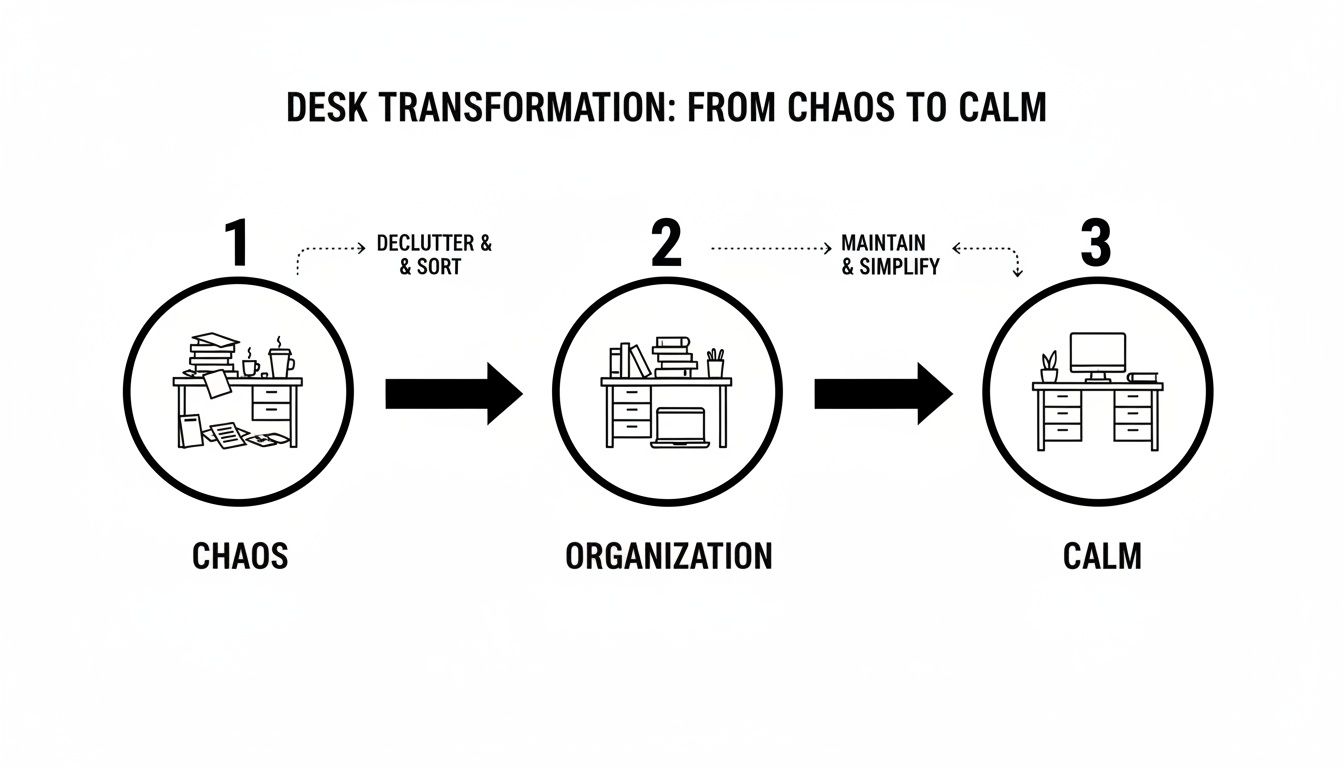
Ultimately, the goal here is to build a space where your physical environment actively supports your mental clarity. When your desk works for you, you can finally focus on what truly matters.
The first move is always the most satisfying: the great purge. This isn’t about just tossing things out. It’s a mindful process of deciding what actually deserves to be in your most valuable real estate—your workspace. You’re aiming for a clean slate.
Start by taking every single thing off your desk and out of your drawers. I mean everything. This forces you to physically touch each item and make a conscious choice about its place in your life.
As you go, sort everything into three simple piles: Keep, Relocate, and Discard.
Keep: These are your daily essentials, the things you can't work without.
Relocate: This is for items that have a home, but it's not on your desk.
Discard: Trash, recyclables, and anything you simply don't need anymore.
This isn't just about looking good; a clean desk is a genuine strategic advantage. Studies have shown an organized setup can slash work errors by as much as 25%. That's a powerful statistic for any professional who values precision.
This initial clean-out is the foundation for everything else. It frees up both physical space and mental energy, giving you the clarity to build a system that lasts.
With a clear desk in front of you, it’s time to think like an architect. "Zoning" is all about assigning a specific purpose to each area of your desk, creating an intuitive map for your daily tasks. When every tool has a home, you eliminate wasted motion and the mental drain of constantly searching for things.
Think about what you actually do all day. Are you glued to the computer? Do you need space for sketching ideas or signing documents? Your workflow will dictate your zones.
To get you started, here’s a simple framework for dividing up your space.
| Zoning Your Desk for Peak Efficiency | ||
|---|---|---|
| Zone Category | Purpose & Activities | Ideal Organizer Type |
| Digital Zone | Core computer work, virtual meetings, deep focus tasks. | Monitor stand, keyboard/mouse pad, cable management clips. |
| Analog Zone | Note-taking, brainstorming, planning, and quick jots. | Pen holder, notebook stand, small tray for sticky notes. |
| Inbox Zone | Staging area for new mail, documents to review, and action items. | Letter tray or a vertical file holder. |
| Reference Zone | Frequently used manuals, binders, or project files. | Magazine file holders or a small desktop shelf. |
| Supply Zone | Small essentials like paper clips, staplers, and chargers. | Drawer dividers or a multi-compartment desktop caddy. |
A teacher, for example, might design a dedicated "Grading Zone" with their favorite red pens and a paper tray for assignments. A graphic designer might prioritize a sprawling "Digital Zone" with multiple monitors, keeping their analog tools neatly contained. The magic is in tailoring these zones to your unique professional life.
This entire approach is why the office storage market is booming—it’s projected to grow from $0.33 billion in 2026 to $0.59 billion by 2035. To keep your zones truly clear, smart storage is non-negotiable. Consider integrating practical solutions like custom storage boxes for those items you need, but not every single day.
The last piece of the puzzle is "Systemize." This is where you bring your organized space to life with the right gear. A system without tools is just a good intention, but tools without a system just create more stylish clutter.
Now that you know what you’re keeping and where it all goes, you can choose organizers that fit your zones. Remember to think vertically! Wall-mounted organizers, for instance, can reclaim up to 30% of your desk’s surface area—a total game-changer, especially in smaller spaces.
Select organizers that are designed for the job.
A pen cup for your Analog Zone.
A letter sorter for your Inbox Zone.
Drawer dividers to stop small supplies from becoming a jumbled mess.
Your system has to be simple. If it takes more than a few seconds to put something away, you won't stick with it. The goal is a frictionless workflow where every item has a logical home, turning your end-of-day cleanup into an effortless, two-minute habit.
Once your desk is cleared and zoned, the real fun begins. This is your chance to move beyond mere function and into intentional design, transforming your workspace from just a place you work into a place you love to be. Selecting the right accessories is about curating an environment that truly reflects your personality and inspires your best work.
An organized desk should never feel sterile or generic. It should be a source of daily motivation. This is where you get to infuse your own style, whether that means a sleek, minimalist setup or a vibrant, color-filled creative hub.
Believe it or not, the look and feel of your desk have a direct line to your mood and focus. Everything from color and texture to the materials you choose sends subtle signals to your brain that can either energize you or bring a sense of calm. Tapping into this connection is the secret to building a space that not only looks incredible but helps you perform better.
Think about the feeling you want to cultivate:
For Calm and Focus: Blues and greens are known for their soothing effects, making them perfect for high-stress roles. Natural wood tones can also ground your space, bringing a welcome sense of tranquility.
For Energy and Creativity: Brighter colors like yellow or orange can spark new ideas and boost your energy. You don't have to go overboard—just incorporate them through smaller accessories like a pen cup or a set of sticky notes for a pop of inspiration.
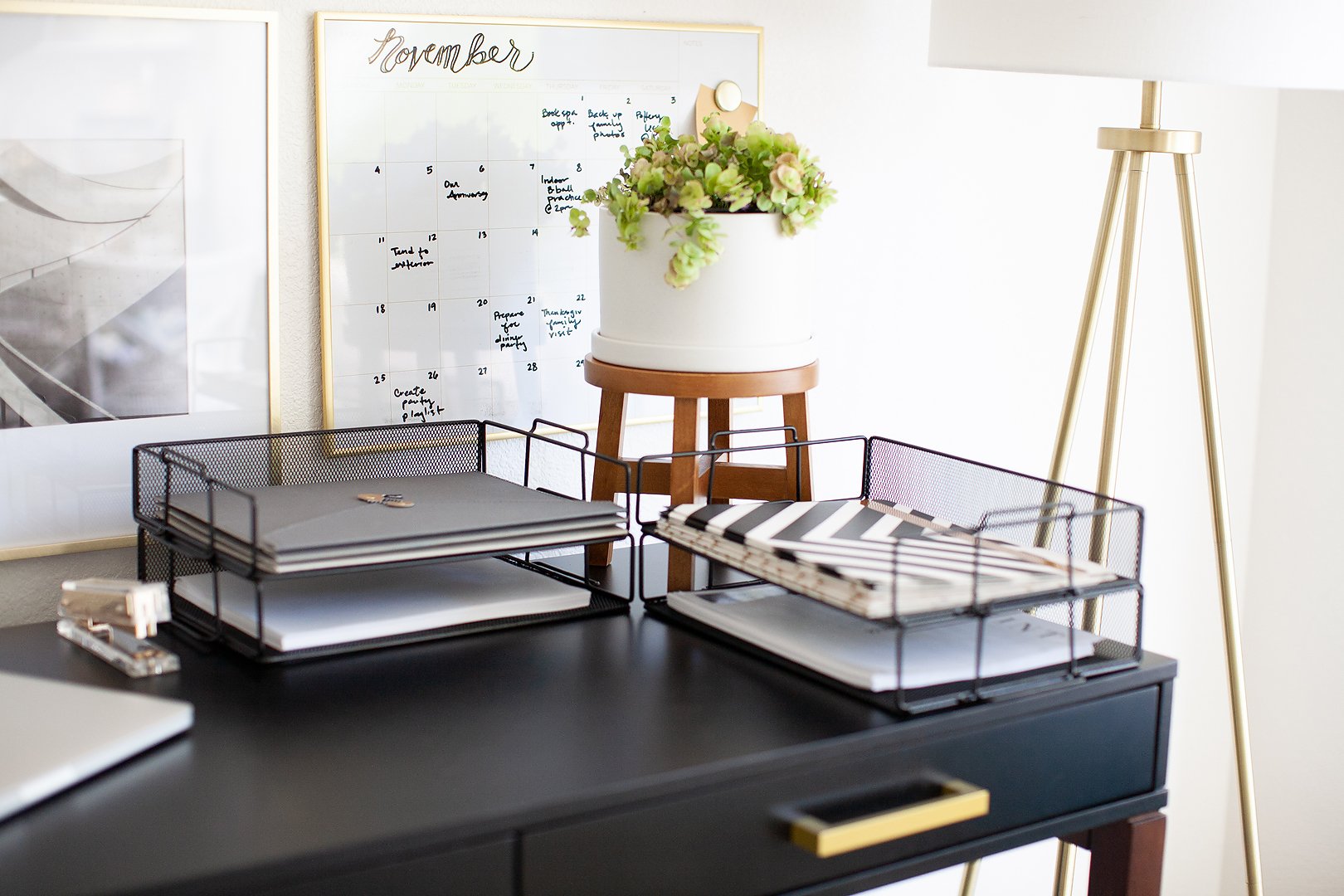
For a Polished, Professional Feel: Metallics like gold, rose gold, or matte black create an instant sense of sophistication and order. A cohesive set of metal mesh organizers, for example, can immediately make your desk feel more pulled-together and serious.
This isn’t just about making things pretty; it’s a strategic choice. The powerful link between aesthetics and output is why the desk accessories market is projected to hit $4,292.6 million in 2025. Since the massive shift to remote work, 60% of people now prioritize their workspace aesthetics for mental well-being, recognizing that a well-designed desk can boost focus by a remarkable 30%.
Creating a coordinated look doesn't mean everything has to be a perfect match. The goal is harmony, not uniformity. You can achieve this by sticking to a consistent theme—whether it's a specific color, a certain material, or a thoughtful combination of both.
For instance, you could build your entire theme around a single material.
Warm and Natural: Pair a bamboo monitor stand with a wooden pen holder and cork coasters. This creates an earthy, calming vibe that feels connected to nature.
Modern and Sleek: Combine black metal mesh file sorters with a minimalist white ceramic pen cup and a leather desk mat. The contrasting textures add visual interest while keeping the aesthetic clean and modern.
Chic and Glamorous: Imagine a set of gold wire letter trays paired with acrylic organizers and a blush pink notebook. The look is both stylish and incredibly functional.
The key is to choose a "hero" element—whether it's a color like teal or a material like gold—and build around it. Let that one element guide your other choices, creating a desk that looks intentionally designed, not just randomly assembled.
Blu Monaco collections, like the elegant gold wire of the Fontvielle line or the bold look of the Monte collection, make it easy to get started. You can select a few core pieces from one collection and then mix in complementary items. This approach ensures your desk feels personal and curated, not like it came straight out of a catalog. For even more inspiration, check out our guide on home office desk decor ideas.
While organizers and trays handle the practical side of things, it’s the personal touches that make a workspace truly yours. These are the items that bring a smile to your face and keep you motivated on those tough days.
Incorporate elements that actually mean something to you. This could be:
A framed photo of your family or a favorite vacation spot.
A small plant to bring a bit of nature indoors.
The mug with an inspiring quote that you use for your morning coffee.
A piece of art or a postcard that sparks your creativity.
These items serve as little mental "reset" buttons, giving your eyes a place to rest and your mind a brief, positive distraction. They remind you of your "why" and help you reconnect with your bigger goals. The only trick is to be selective. Choose just one or two meaningful items to display, rather than cluttering up your newly organized space. These personal artifacts complete the picture, turning your functional desk into a true reflection of who you are.
Let's be honest: a one-size-fits-all approach to desk organization just doesn't work. The real secret to a workspace that truly clicks is making it fit you and the work you do every single day.
What fuels a digital nomad's deep work session is completely different from what a teacher needs to manage a classroom's creative chaos. When you design a layout that supports your actual workflow, your desk stops being just a piece of furniture. It becomes a strategic partner in your success. Let’s dive into a few different worlds to see how we can build a desk that genuinely works for you.
If you’re a remote worker or digital pro, your biggest battle is against distraction. This layout is all about creating an environment for deep focus, where "less but better" is the guiding principle. Every single item on your desk should earn its keep.
The foundation is a wide-open, clear surface. Think of it as a clean slate for your mind each morning. If you don't use it multiple times a day, it doesn't belong on your desktop.
Ergonomic Basics: A quality monitor stand is your best friend. It’s not just for your posture; it carves out that precious real estate underneath for stashing your keyboard and mouse when the day is done.
Contained Analog Tools: Even in a digital world, we need to jot things down. A single, beautiful pen holder and a good notebook are all you need. A small tray can keep your earbuds or sticky notes from wandering aimlessly across your desk.
Streamlined Power: A multi-device charging station is a must to keep your tech juiced up without a spiderweb of cords taking over. Run those cables through clips stuck to the back of your desk, and suddenly, everything feels cleaner.
The whole idea here is intentionality. Each piece, from a sleek black metal file sorter to a simple phone stand, is chosen to reduce visual noise and bring you a sense of calm clarity. It’s a space designed for focus.
Teachers are masters of managing materials. Papers, art supplies, reference books, lesson plans—the flow is constant and can easily become overwhelming. An educator's desk needs to be a true command center, built to handle a high volume of stuff without spiraling into chaos.
Forget minimalism; this is about masterful organization through strong, intuitive systems. To find the best desk layout for productivity in the classroom, you have to think like an air traffic controller.
Here’s a game plan:
Create a Flow with Trays: A set of stackable letter trays is non-negotiable. Label them clearly: "To Grade," "Graded," and "To File." Using a color-coded set, like a vibrant aqua or teal, makes the system instantly readable at a glance.
Consolidate Your Supplies: A rotating caddy or a desktop organizer with multiple compartments is perfect for corralling pens, markers, scissors, and highlighters. Keeping them upright and visible means you can grab what you need in a split second.
Keep References within Reach: Vertical magazine files are a teacher's secret weapon. Use them to line up binders, curriculum books, and student folders. They stay upright and easy to grab without eating up your entire desk.
This setup isn’t about having a desk that’s empty. It’s about having a desk where every item has a home, making the end-of-day cleanup a quick, satisfying routine.
Students are often stuck with two big challenges: not enough space and a ton of different subjects, each with its own books and notes. A student's desk needs to squeeze every ounce of function out of a small footprint, especially in a cramped dorm or shared apartment.
This layout is all about smart, space-saving moves that make late-night study sessions feel a little less chaotic.
Go Vertical: A desktop shelf or hutch is a total game-changer. It literally doubles your surface area, creating a second story for textbooks, notebooks, and small organizers, leaving the main desk area free.
Fake the Drawers: No drawers? No problem. Grab some stackable, clear drawer units and slide them under the desk. Label them by subject—"CHEM 101 Notes," "Art Supplies," "Cords & Chargers"—to find things fast.
Use the Walls: Don't forget the space above your desk! A wall-mounted grid or pegboard is the perfect place to hang small baskets for pens, calculators, and other essentials. This keeps your main workspace clear for your laptop and that massive textbook you've been avoiding.
By thinking vertically and giving every subject its own zone, even the tiniest corner of a room can be transformed into a powerhouse for learning.
You did it. You pushed through the clutter, zoned your space, and styled a desk that finally feels like you. But let's be honest—the real challenge isn't the initial overhaul. It's keeping it that way.
This is where you build the habits that stop the chaos from creeping back in. We're not talking about marathon cleaning sessions. The secret is weaving tiny, almost invisible routines into your day that preserve your hard-earned order without ever feeling like a chore. It’s about creating a sustainable system that keeps your workspace an inspiring and productive sanctuary for the long haul.
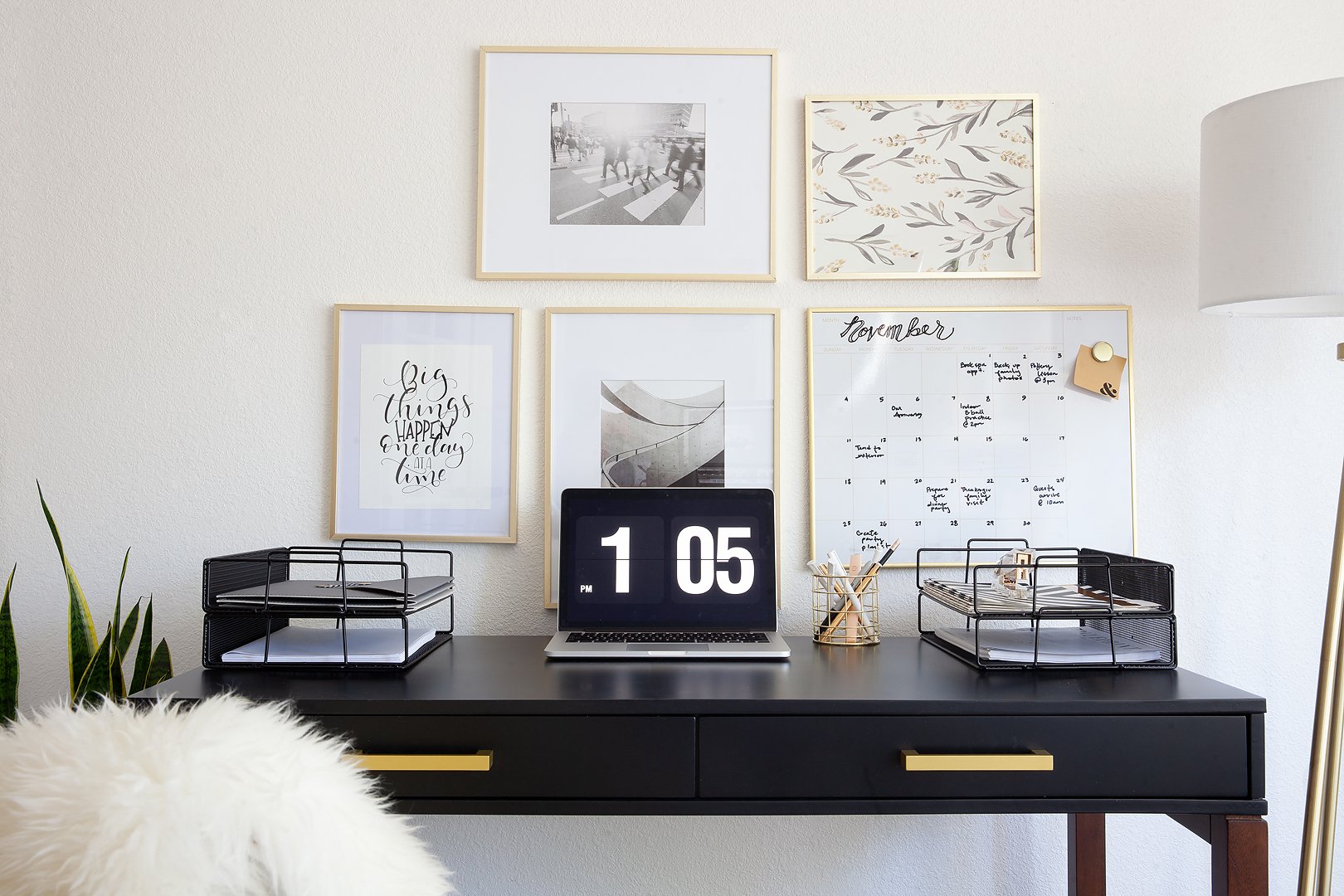
The most powerful habit you can possibly adopt? The 5-Minute Tidy. Think of it as hitting the reset button on your day. Right before you sign off, set a timer for just five minutes and do a quick sweep.
What does this actually look like?
Toss stray pens back into their holder.
Straighten the stack of papers in your inbox tray.
Give your desk and keyboard a quick wipe-down.
Take that empty coffee mug back to the kitchen.
Neatly tuck your keyboard and mouse away.
This small ritual does so much more than just keep your desk looking good. It creates a powerful mental boundary between your workday and your personal time, helping you truly switch off. You'll thank yourself every morning when you walk into a fresh, inviting workspace.
While the daily tidy handles the surface stuff, the Weekly Reset is your deeper dive. This is your chance to process everything that’s landed on your desk over the week. I find that blocking out 15-20 minutes every Friday afternoon works wonders.
Here’s what my weekly reset checklist usually includes:
Process the Inbox: Go through that paper tray. File what needs to be kept, handle any bills, and recycle the rest. This is absolutely critical for stopping paper pile-ups. If this is a weak spot for you, our guide on choosing the right desk paper trays can help you build a system that works.
Restock Supplies: Do a quick inventory. Are you low on sticky notes? Is the printer almost out of paper? A quick restock now prevents a frustrating interruption later.
Clear Digital Clutter: Your physical desk isn't the only thing that needs attention. Spend a few minutes dragging files from your desktop into their proper folders and archiving old emails.
Tame the Cables: Somehow, cords always find a way to become a tangled mess. Take 60 seconds to straighten them out and make sure everything is plugged in neatly.
This routine is your best defense against all those "I'll deal with it later" items. It guarantees you start every Monday with a truly clean slate.
A well-maintained desk is a commitment to your future self. By investing a few minutes each day and week, you're not just organizing objects—you're actively reducing future stress and clearing the path for deeper, more focused work.
The easiest way to keep a desk organized is to stop clutter before it even has a chance to form. This means building a few mindful habits into your workflow. My absolute favorite is the "one in, one out" rule.
It’s simple: whenever you bring a new item to your desk—a new notebook, a fresh set of pens—an old one has to go.
This little rule forces you to be incredibly intentional about what earns a place in your prime real estate. It stops the slow, quiet accumulation of things you don't really need and helps you curate a space filled only with things that are useful and loved. Before you know it, maintaining your beautiful oasis will feel completely natural.
Even with the best intentions, you're bound to hit a few snags when you start organizing your desk. It happens to everyone. Let's walk through some of the most common questions that come up and get you the clear, practical answers you need to keep moving forward.
It’s a great question, because a messy computer desktop can derail your focus just as fast as a pile of physical papers. If your screen is a chaotic jumble of random files and icons, you're creating the same mental friction. The key is to apply the exact same decluttering and zoning logic from your physical desk to your digital one.
Start by building a super simple folder system. You don't need anything complicated; a structure like this is a fantastic starting point:
Active Projects: This is for everything you're in the middle of right now.
Archive: A home for finished projects you might need to look back on later.
Resources: The perfect spot for templates, brand guides, or cool inspiration you've saved.
Personal: A clear boundary for anything that isn't work-related.
The real magic is in the habit. At the end of each workday, take literally two minutes to drag any new files from your desktop into their proper homes. It's a tiny action that prevents digital chaos from ever getting a foothold.
Treat your digital desktop with the same care as your physical one. When you create that consistency, you're building an environment where your focus is protected, no matter what you're working on.
A tiny desk isn't a setback—it's a chance to think smarter. When you're short on surface area, the only way to go is up. Using your vertical space is the secret to making a small desk feel open, organized, and totally functional.
It's all about getting things off the desk itself.
Wall Grids and Pegboards: These are lifesavers. You can hang small baskets, shelves, and clips to hold pens, scissors, and notepads, all without cluttering your primary workspace.
Monitor Stands: Honestly, a good monitor stand is essential for a small desk. It lifts your screen to a more comfortable height and, more importantly, gives you a priceless storage spot underneath for your keyboard or planner when you're not using them.
Desktop Shelves: A small riser or hutch can instantly double your storage capacity, giving you a second level for books, supplies, or a few personal items.
Every single item you can lift off the surface is a major win for your focus. When you build upward, you reclaim your desk for what it was made for: getting things done.
Here’s the thing: if your desk keeps falling back into chaos, it's not you—it's your system. A well-designed workspace shouldn't require a massive, painful overhaul every month. The goal is maintenance, not constant reorganization.
Your daily 5-Minute Tidy and the Weekly Reset are the habits that will keep your space working for you long-term. That said, it's smart to do a deeper check-in with your setup maybe once a quarter, or even twice a year. This is your chance to ask if your desk is still meeting your needs. Have your projects changed? Are there tools you haven't touched in months?
This simple, periodic review keeps your workspace from becoming stagnant. It ensures your desk evolves right along with you, continuing to be a place that supports and inspires you.
Ready to build a workspace that’s not just organized, but also a true reflection of your style? Explore the curated collections at Blu Monaco to discover the perfect desk organizers and accessories to make it happen. Shop now at https://www.blumonaco.com and start creating the desk you deserve.


