No products in the cart.

Let’s be real for a moment. That growing mountain of paper on your desk, your kitchen counter, or stuffed into a drawer isn’t just clutter. It’s a source of that low-grade, constant stress that hums in the background of our lives.
Every unsorted bill, old bank statement, and random piece of mail is a tiny, postponed decision. And all those little decisions add up, slowly draining your mental energy and making your home feel less like a sanctuary.
But what if you could turn that chaos into a calm, functional system? This is more than just tidying up. It's about taking back control over your space and your time in a way that feels genuinely empowering.
The truth is, paper clutter has a real cost. Think about the last time you frantically searched for a birth certificate, a car title, or a misplaced warranty right before you needed it. Those moments of panic are frustrating, and they add up over time.
It’s pretty staggering when you see the numbers. We waste an average of 3,680 hours—that's 153 full days—over our lifetime just hunting for misplaced stuff. Paperwork is one of the biggest culprits, right up there with keys and phones. You can discover more about how clutter impacts our lives and see the full statistics here.
With global paper consumption hitting a massive 420 million tons in 2023, it’s clear this paper avalanche isn’t slowing down. For those of us working from home, the challenge is even greater. A smart system isn’t just a nice-to-have; it’s an absolute necessity.
At its core, getting your paperwork in order is a simple, four-part rhythm: gather it all up, let go of what you don't need, sort it into categories that make sense for you, and find a storage solution that fits your life.
This guide will walk you through creating a system that’s not only incredibly efficient but also looks beautiful in your home. We'll show you how to:
Build momentum from day one with small, achievable steps that prevent you from feeling overwhelmed.
Make confident decisions on exactly what to keep, what to shred, and what to scan.
Create a personalized system with categories that actually reflect your life, not some generic template.
Keep the order going effortlessly by building simple habits that stop paper piles from ever coming back.
It’s time to stop just managing the clutter and start living with a new sense of clarity. Let's build a sustainable, stylish system that frees you up to focus on what really matters.
Let’s be honest, the first step is always the hardest. But when it comes to paperwork, it's also the most liberating. Before you can dream of tidy files and clear surfaces, you have to face the beast. This isn't about creating another chore; it's about giving yourself a clean slate.
First things first, find your command center. Clear off the dining room table or claim a big patch of the living room floor. Now, it’s time for a treasure hunt. Go through every room, every drawer, every nook and cranny and gather every single piece of paper. I’m talking about the mail on the counter, the receipts in your purse, the old report cards in that forgotten box, and yes, even the stack on top of the filing cabinet you’ve been avoiding.
Bringing it all into one spot is a game-changer. It’s a powerful psychological trick that stops you from just shuffling piles around the house. You see the full picture, and suddenly, the mission becomes real. This mountain is what we’re going to conquer, together.
Okay, deep breath. With your paper mountain assembled, the real magic begins. The secret to getting through this without wanting to give up is to make quick, decisive choices. Don’t get lost reading old letters or agonizing over every receipt.
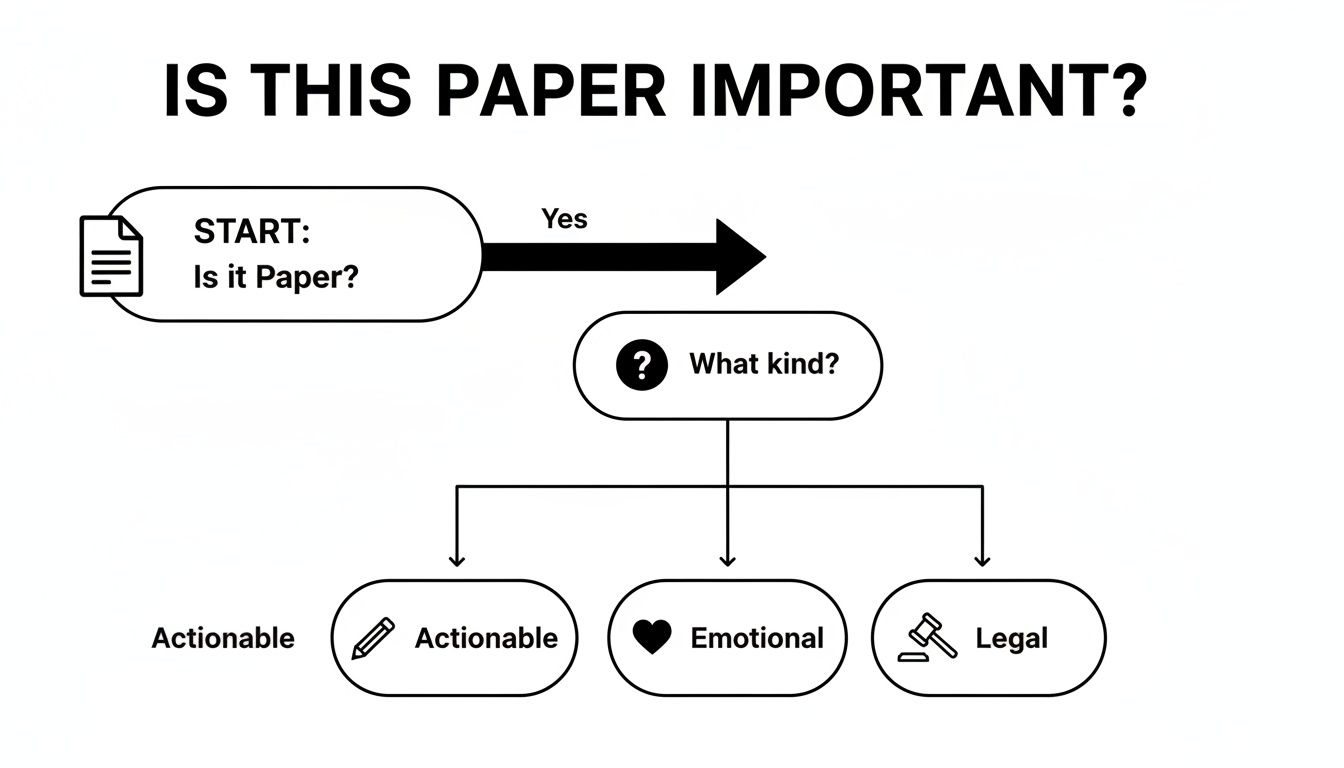
I live by a simple but incredibly effective system for this. Think of it as FAST:
File: These are the non-negotiables. Documents you absolutely must keep a physical copy of for legal, tax, or deeply personal reasons.
Act: This is your to-do pile. A bill that needs paying, a form that needs signing, an invitation that needs an RSVP.
Scan: Perfect for things you want to keep for reference but don't need cluttering up your space—think appliance manuals, sentimental kids' artwork, or important receipts.
Toss: Be ruthless here! This is for anything outdated, irrelevant, or easily found online (like most bank statements or utility bills).
This little framework helps you stop overthinking. Is it actionable? Does it have legal weight? Is it purely sentimental? One look, one decision, and you move on.
Breaking it down like this turns a marathon into a series of small sprints. You'll build momentum and start to feel the weight lifting off your shoulders with every piece you toss.
One of the biggest things that trips people up is the fear of throwing away something important. We all have that nagging voice wondering, "What if I need this later?" It’s what keeps old, expired warranties and decade-old pay stubs lingering in our files.
Let’s silence that voice for good.
When in doubt, remember the goal: keep only what is necessary, valuable, or legally required. The less paper you have to manage, the easier it is to maintain peace and order.
To take out all the guesswork, I’ve put together a quick-reference guide. Use this cheat sheet to make confident decisions about what stays and what goes.
| Document Type | Retention Period | Action |
|---|---|---|
| Tax Records | Keep for 7 years after filing. | File physical or secure digital copies. |
| Medical Bills | Keep for 1 year after payment is confirmed. | Scan and toss after 1 year. |
| Pay Stubs | Keep for 1 year, then check against W-2. | Toss after verifying your W-2. |
| Bank Statements | Keep for 1 month for reconciliation. | Toss monthly; access digital records. |
| Credit Card Bills | Keep for 60 days for dispute purposes. | Toss after 2 months. |
| Warranties & Manuals | Keep for the life of the product. | Scan manuals and file warranties. |
| Vital Documents | Keep permanently. | File securely (birth/marriage certs). |
See? This isn't just about clearing clutter. It’s about curating your life. By the end of this step, you’ll be left with only the documents that truly matter, creating a solid foundation for a system that finally feels calm and in control.
Okay, the clutter is gone and you’re left with only the papers that truly matter. This is my favorite part—it's where the real transformation begins. Now we get to build a smart, intuitive system that acts as your personal command center. Forget about generic filing templates; this is about crafting a structure that flows with the rhythm of your life.
We're ditching vague labels like "miscellaneous." A freelance designer, for example, might build their system around core categories like Clients, Finances, and Business Admin. A busy family's setup, on the other hand, might revolve around Household, Medical, and School. The whole point is to make your system so logical that you can find any document in seconds, without having to think twice.
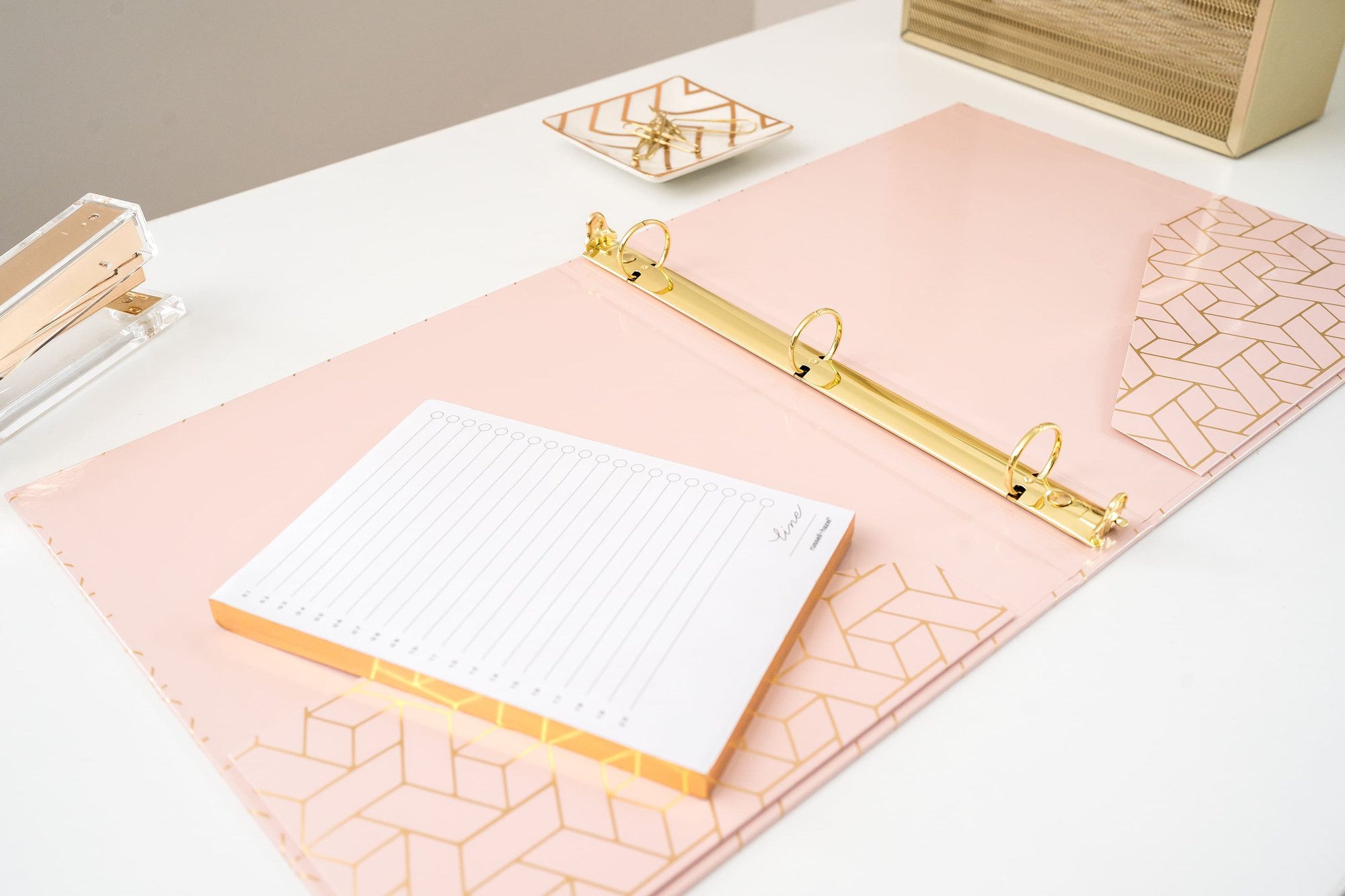
The secret is to think in layers. Start with big-picture "parent" categories, then create more specific sub-folders inside them. This simple hierarchy keeps any one folder from becoming an overflowing junk drawer and makes finding what you need incredibly fast.
To nail down your core categories, just look at the piles you decided to keep. Start grouping similar documents. What themes are jumping out at you? Those natural groupings are your future parent categories.
Here are a few real-world examples to get your ideas flowing:
Parent Category: Finances
Parent Category: Household
Parent Category: Auto
This layered approach is what makes a system last. When you get a new car, you just pop a new sub-folder under "Auto." It's a living system, designed to grow and adapt right alongside you.
The best filing systems are the ones you don't have to think about. Your categories should be the very first words that pop into your head when you're looking for a specific document.
Let’s be honest: organization should feel inspiring, not like a chore. This is your chance to elevate a simple filing system into a visually stunning part of your home. Think of it as styling your productivity.
Color-coding your folders is one of the easiest and most effective ways to create mental shortcuts. Assign a distinct color to each main category—maybe blue for Finances, green for Household, yellow for Medical. This simple visual cue helps your brain zero in on what you need before you even read a single label. Dive into our guides for more inspiring home office organization ideas to pull the whole look together.
This focus on aesthetics isn't just for show; it's a powerful motivator. There's a reason the home organization industry has ballooned into an $8 billion market—we all crave spaces that are both beautiful and functional. For small business owners, using coordinated desk trays and file sorters can slash the time spent searching for documents by 20-30%.
Your command center is so much more than storage. It's a daily reflection of your commitment to a calmer, more organized life. By personalizing your categories and styling your tools, you're not just shuffling paper—you're designing a space that empowers you every single day.
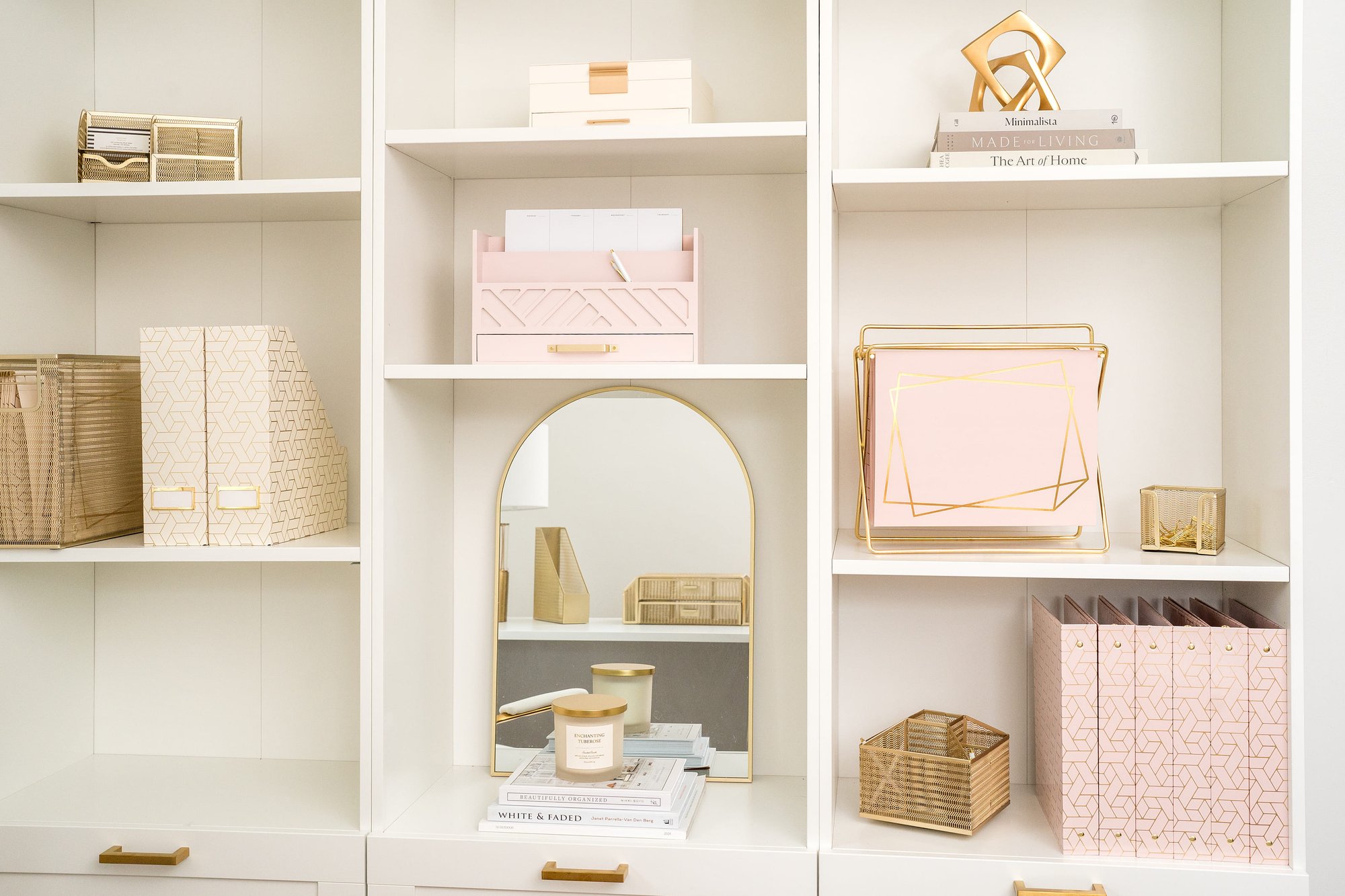
Okay, you’ve done the hard part. You’ve purged and sorted, and now it’s time for the most inspiring step of all—choosing storage that’s as beautiful as it is functional. This is where your system becomes part of your home’s decor. The right tools don't just keep you organized; they make you want to stay organized.
Think of your new storage as the final layer that brings your workspace to life. It’s a chance to let your personality shine through in a practical system, making the daily routine of managing paper feel a little more joyful. Whether you love minimalist, glamorous, or modern design, there are perfect pieces out there waiting to elevate your space.
Before you even think about shopping, let’s get real about what you truly need. How much paper are you actually keeping? Go ahead and measure the height of your "File" pile. That simple number is your guide. It’ll stop you from buying a huge filing cabinet when a chic desktop organizer is all you really need.
Next, take a good look at your surroundings. Do you have a dedicated home office? A small corner in the living room? A tiny dorm room desk? The physical space you're working with will really point you toward the right type of storage.
For Dedicated Offices: You’ve got room to play and create a completely cohesive look. Think about a desktop hanging file organizer with a matching set of paper trays and a pen cup, all in a gorgeous finish like rose gold or matte black.
For Small or Shared Spaces: Your best friend is vertical space. Look for wall-mounted file holders or slim, elegant magazine files that keep your surfaces from getting cluttered. This is a game-changer for how to organize paperwork at home when every single inch counts.
Let’s be honest: organization doesn't have to be boring. In fact, I've found that when your tools are beautiful, you're so much more likely to use them consistently. Hunt for pieces that complement the decor you already have and just make you smile.
The most effective organizing systems are the ones that feel like a natural extension of your personal style. When you love the way your space looks, maintaining it becomes a pleasure, not a chore.
What materials and colors do you gravitate toward? Do you love the warm, natural vibe of wood? The sleek, modern feel of metal mesh? Or maybe you crave a pop of color from a vibrant teal or aqua set? When your system is visually appealing, it becomes a source of inspiration.
A coordinated look can instantly make your workspace feel more polished and put-together. This doesn’t mean every single item has to be a perfect match, but sticking to a consistent color palette or material family creates a wonderful sense of calm and order.
For example, you could pair a black metal mesh letter sorter with natural wood accents for a sophisticated, industrial feel. Or, for a brighter aesthetic, combine crisp white accessories with a few gold pieces for a little touch of glam. I often find that stylish magazine holders are the perfect starting point; they offer a great blend of function and design that can anchor the entire look of your desk.
Ultimately, choosing your storage is all about finding that sweet spot where form and function meet. By being thoughtful about your paper volume, your available space, and your personal style, you can build a system that not only gets rid of the clutter but also brings a renewed sense of beauty to your home.
You’ve put in the hard work—the purging, the sorting, the organizing. Your system looks incredible! But here’s the secret: an organized system only stays that way if you build simple habits to maintain it. This isn't about adding another huge chore to your life. It’s about creating an easy, almost effortless, workflow that stops those frustrating paper piles from ever returning.
The real trick is to deal with paper the moment it crosses your threshold, before it has a chance to settle on the kitchen counter or the dining room table. Find one spot in your home and designate it as your official Action Station. This doesn’t have to be anything fancy. A simple, stylish three-tiered paper tray on a desk or entryway table is perfect.
Give each tray a clear purpose:
Inbox: Everything that comes into the house lands here first. Mail, school flyers, receipts, you name it.
To-Do: This is for items from the inbox that need you to do something, like paying a bill or signing a permission slip.
To-File: Once you’ve handled an item, it goes here, ready to be put away in its permanent home.
Consistency is your superpower in the fight against clutter. The goal is to make this process so quick and automatic that it becomes a natural part of your routine, just like grabbing your morning coffee. All it takes is a simple two-part rhythm that takes just minutes.
First, master the five-minute daily sort. Every day, when you bring in the mail or clear out your bag, spend just five minutes at your Action Station. Immediately recycle junk mail, move anything that requires action to the "To-Do" tray, and pop important records into the "To-File" tray. This one tiny habit is the ultimate defense against the dreaded paper pile-up.
Next, schedule a fifteen-minute weekly filing session. Once a week, grab the stack from your "To-File" tray and put everything in its proper place within your command center. I love doing this on a Sunday evening while planning out my week. Pairing this task with one of our beautiful planners to keep your schedule organized helps you start the week feeling completely on top of everything.
A small, consistent effort is far more powerful than a massive, infrequent overhaul. Five minutes a day is all it takes to keep the paper clutter from ever taking root again.
Another game-changer is simply reducing the amount of paper that comes into your home in the first place. So many things, from receipts to reference materials, can be handled digitally. Get into the habit of using a scanner app on your phone to snap a picture of an important receipt the moment you get it, then you can confidently toss the paper copy.
This doesn't just cut down on physical clutter; it creates a searchable digital archive that you can access from anywhere. A quick weekly purge of incoming papers can slash the physical volume by as much as 25%. With global paper demand projected to hit a staggering 476 million tons by 2032, every little bit helps. For those of us working from home, this is even more critical for staying efficient and error-free. You can learn more about paper consumption trends and their impact and see why making a change matters.
When you blend a simple physical workflow with a few smart digital habits, you create a truly complete system. It's the key to keeping your space—and your mind—beautifully clear and focused.
Even with the best system in place, you're bound to run into a few tricky situations. What do you do with that sweet birthday card from your grandma? How do you manage all this in a tiny apartment? Let’s tackle some of the most common questions that come up.
Think of this as the final polish on your new system—the little details that will give you the confidence to handle any piece of paper that finds its way into your home, for good.
It's all about the "one-touch rule." This is a game-changer. The moment a piece of paper comes through your door, you deal with it. No "I'll get to it later" piles. You decide right then and there: is this trash, something to do, something to file, or something to scan?
This single habit is the most powerful tool you have against clutter creeping back in. By putting an item directly into its home—the recycling bin, your action tray, your filing cabinet—you stop the piles before they even have a chance to form. It's the secret to keeping things tidy with almost no extra effort.
The goal is to make a decision once and move on. You'll be amazed at how much mental energy you save when you're not staring at the same pile of mail day after day.
When you’re working with limited square footage, your new best friend is vertical space. Think up, not out. Wall-mounted file organizers and hanging wall pockets are lifesavers because they get paper off your precious desk and floor space.
A slim, elegant magazine holder can also be a fantastic way to corral active files without a clunky footprint. Also, look for compact desktop organizers that pull double or triple duty, combining a letter sorter, pen cup, and note holder into one beautiful piece.
Things like handwritten letters, your kids’ drawings, and special cards deserve a place of honor, far away from your regular files. Give these treasures a home of their own in a beautiful memory box or a decorative portfolio.
A wonderful way to handle the constant flow of children's artwork is to create a rotating display. Use a clipboard or a string with clips to showcase the latest creations. At the end of the school year, snap photos of everything to create a digital album, then sit down with your child to choose just a few absolute favorites to keep in the memory box. It’s a beautiful way to honor their creativity without drowning in paper.
Ready to find the perfect pieces to complete your system? Discover stylish, space-saving solutions at Blu Monaco that bring beauty and function to your workspace. Explore our collections today.


